Bulk Oregano Hydrosol | A Gentler Way to Use the Herb’s Aroma
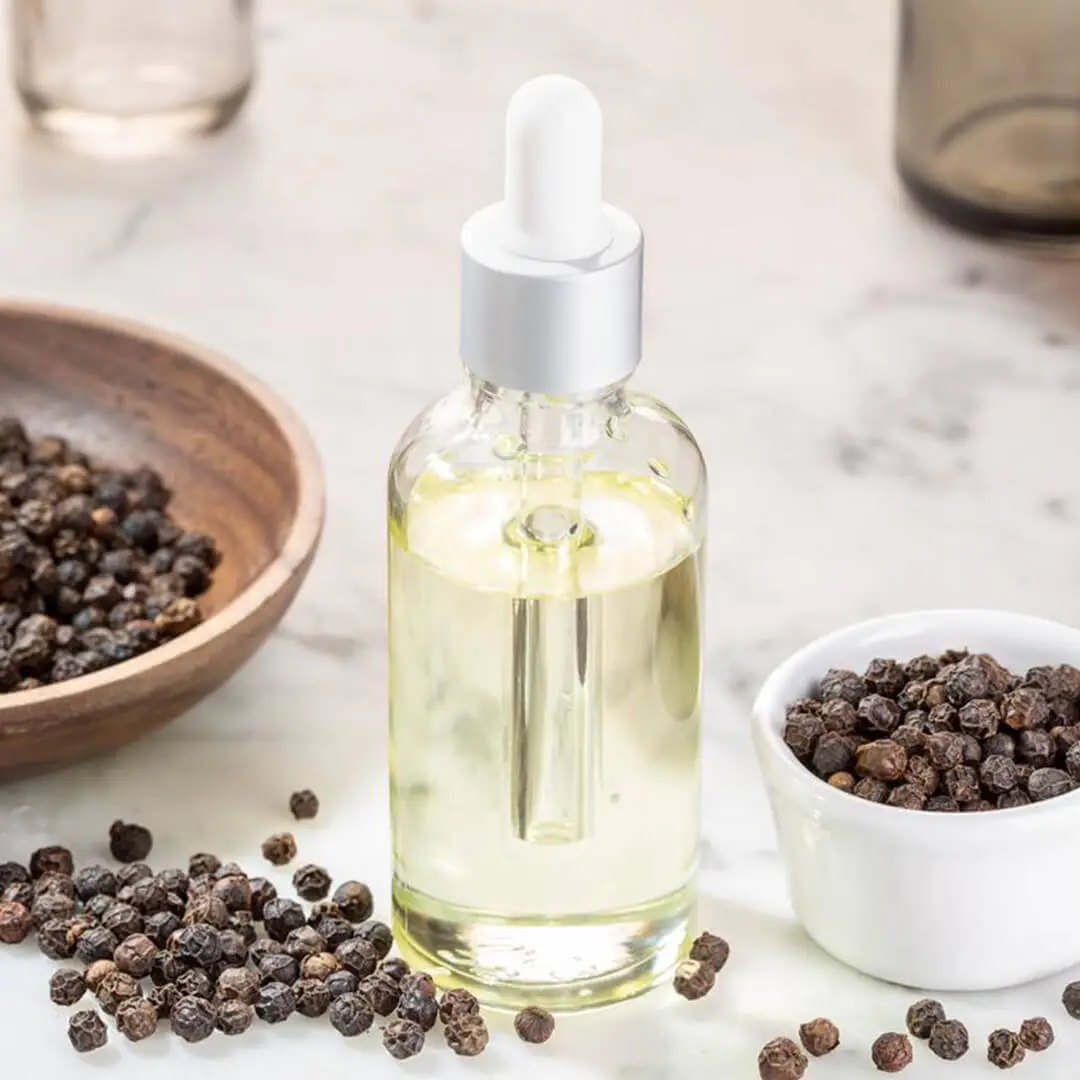
Oregano Hydrosol has a much softer character than concentrated oregano oil. It is a water-based botanical material obtained through suitable distillation of oregano plant material. The result can have a light herbal, green, and slightly spicy aroma. A Oregano oil supplier may provide it for brands developing botanical sprays, personal-care products, toners, lotions, and other water-based formulas.
The difference between the two products is easy to see:
Oregano Oil has a strong, concentrated aromatic character. Oregano Hydrosol is mainly water and carries a much lighter botanical note. This means they cannot simply be swapped in a recipe. An oil-based formula and a water- based formula need different ingredients and different formulation methods.
Possible Hydrosol Formats
- Botanical sprays
- Face or body mists
- Hair mists
- Toners
- Lotions
- Creams
- Soaps
- Other water-based products
Since hydrosols contain water, finished products containing them should have proper preservation, microbial testing, and stability checks.
Not All Oregano Oil Smell the Same
The word “oregano” can cover more than one botanical source. Different Origanum species and chemotypes can have different natural compositions. Some oils may have a stronger carvacrol character. Others may contain different proportions of thymol or other aromatic compounds. This is why Oregano oil bulk manufacturer specifications should clearly identify the botanical source.
A product made from one oregano species should not automatically be assumed to have the same composition as an oil made from another.
A Simple Comparison
| Botanical Oil | General Character |
|---|
| Oregano | Strong, warm and spicy |
| Marjoram | Softer, sweet and herbal |
| Thyme | Strong, dry and herbal |
| Rosemary | Green, fresh and woody |
| Basil | Sweet, green and spicy |
Oregano is usually one of the stronger-smelling oils in this group.
What Gives Oregano Its Strong Smell?
Carvacrol and thymol are two well-known natural compounds found in certain oregano oils. Other compounds such as γ-terpinene and p-cymene may also contribute to the overall aroma. The final smell is created by the whole mixture rather than one compound alone. This is why two oregano oils can smell noticeably different even when both are genuine botanical oils.
The plant variety, growing location, climate, harvest time, and processing can all influence the natural profile.
From Herb to Essential Oil
Oregano oil production starts with the plant.
Oregano plant → Leaves and flowering tops → Harvest → Steam Distillation → Cooling → Oil Separation → Filtration → Testing Steam is passed through the plant material.
The heat releases volatile aromatic compounds. The vapour then travels into a cooling system where it becomes liquid again. The oil is separated from the water and prepared according to the required specification. This is one reason the plant material needs to be handled properly from the beginning.
Oregano Oil Wholesale in Food and Flavour Work
Oregano is already familiar as a culinary herb, so its flavour connection is easy to understand. However, not every oregano essential oil should automatically be used in food. A suitable Oregano oil wholesale should identify the grade and intended application clearly. Where food use is permitted, the appropriate food-grade material and applicable regulations must be followed.
For other products, the oil may instead be selected for its aroma. This distinction is important because an oil suitable for one application is not automatically suitable for another.
Oregano in Fragrance and Personal Care
Oregano oil has a strong personality. It can add a warm herbal note to soap and aromatic products, but it can easily overpower softer ingredients if too much is used. That is why fragrance makers may use it carefully alongside other oils. Oregano + Lemon can give a bright herbal-citrus direction. Oregano + Rosemary creates a stronger green-herbal blend.
Oregano + Orange can soften the sharpness with a sweet citrus note. Oregano + Cedarwood can give the blend a deeper woody side. The finished product should always be properly formulated, especially when essential oils are being used in products intended for skin contact.
Oregano Oil and Oregano Hydrosol Side by Side
| Feature | Oregano Oil | Oregano Hydrosol |
|---|
| Form | Concentrated oil | Water-based |
| Smell | Strong | Mild |
| Character | Spicy and herbal | Light and botanical |
| Typical Format | Oil-based blends | Water-based products |
| Aroma Strength | High | Low |
| Formulation | Dilution and safety | Preservation and microbial |
| Needs | assessment | control |
A Oregano oil bulk exporter may therefore deal with a very different type of product from a supplier handling oregano hydrosol. At Hetaksh Essential Oils, oregano products can be looked at according to their botanical source, grade, natural composition, and intended application. This is useful because “oregano” alone does not tell the whole story.
For businesses considering Oregano oil bulk distributor, checking the botanical identity and product specification before selecting a quantity can help ensure that the material matches the planned formulation.