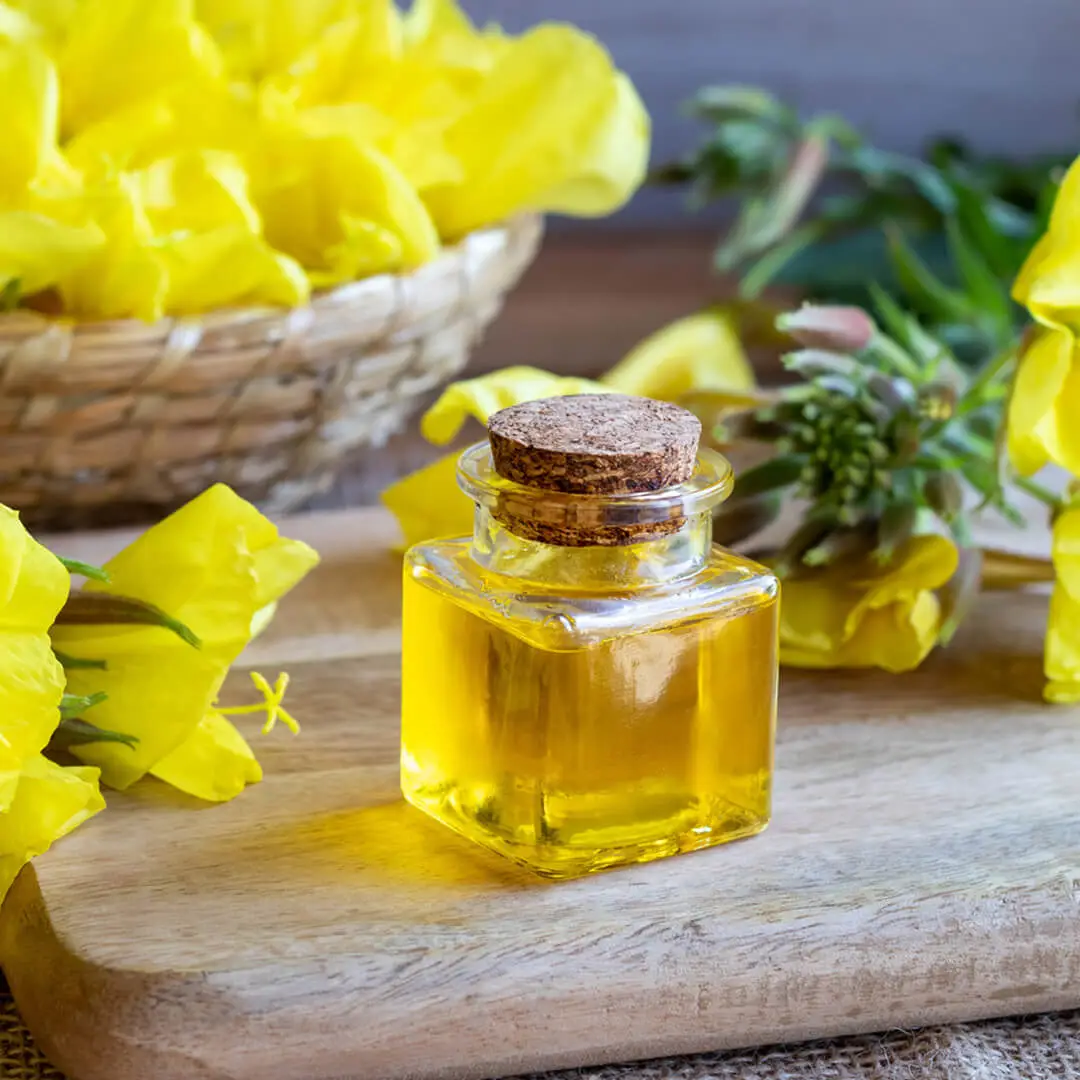
Papaya Oil

Papaya Oil: Source, Composition and Product Glance

  • Product Name: Papaya Oil
  • Botanical Name: Carica papaya
  • Family: Caricaceae
  • Common Names: Papaya Seed Oil, Papaw Seed Oil
  • Plant Part Used: Seeds
  • Extraction Methods: Mechanical pressing or suitable solvent extraction
  • Further Processing: Filtration or refining, depending on grade
  • Appearance: Oil-based liquid
  • Colour: Pale yellow to golden or yellow-brown, depending on processing
  • Odour: Mild, characteristic or slightly nutty
  • Main Components: Oleic acid and other fatty acids
  • Other Components: Minor natural compounds, depending on source and processing
  • Main Applications: Cosmetics, personal care, soaps and selected hair-care formulations
  • Storage: Keep in a tightly closed container, away from excessive heat and light
  • Quality Documents: COA, product specification and SDS/MSDS, as applicable

Papaya Oil bulk manufacturer products are made from the seeds of the papaya fruit, which grows on the papaya plant known scientifically as Carica papaya. The plant belongs to the Caricaceae family and grows in many warm regions, including India, Brazil, Indonesia and other tropical countries. Papaya is popular as a fruit, but its small black seeds can also be used to produce oil. Papaya seed oil is different from papaya fruit extract because it comes from the seeds and contains a different mix of natural fats and other compounds.

The oil can be obtained through mechanical pressing or suitable solvent-based extraction, depending on the manufacturer's process. In mechanical pressing, the cleaned and dried seeds are pressed to release their oil. The crude oil may then be filtered or refined, depending on the required grade. The finished product can range from pale yellow to golden or yellow-brown. Its smell is often mild to slightly nutty, although colour and odour can change with the seed quality and processing method.

A Papaya Oil bulk supplier may provide the oil to cosmetic manufacturers, personal-care brands and businesses developing oil-based formulations. Papaya seed oil contains fatty acids, particularly oleic acid and other unsaturated fatty acids, along with smaller amounts of saturated fatty acids. Its exact composition depends on the seed source and production method. The oil may also contain minor natural compounds, but buyers should rely on the batch specification and test results rather than assuming every product has the same composition.

Papaya Oil may be considered for skin-care products, massage oils, hair-care products, soaps and other cosmetic formulations when it meets the requirements of the intended application. It should not be described as a cure for skin or hair conditions without suitable evidence. Manufacturers should check the oil's stability, compatibility and safety before using it in a finished product.

Papaya Oil for Cosmetic, Personal-Care and Manufacturing Industries

Papaya Oil bulk supplier products can be useful to cosmetic manufacturers looking for a plant-derived oil for their formulations. In skin-care products, it may be included as an emollient ingredient, which helps give a product a smooth feel and supports the oil phase of a formula. It can also be used in massage oils, body oils and selected lotions. The finished product should be tested to make sure the oil works well with the other ingredients.

For Papaya Oil bulk supply to hair-care manufacturers, the oil may be considered for hair oils, conditioners and other products designed to coat and soften the hair. The final performance depends on the complete formula, not on one ingredient alone. Product makers should avoid promising hair growth or medical benefits without appropriate evidence. A formulation's feel, stability, fragrance and intended use all matter when choosing the right raw material.

Soap makers may also consider Papaya Oil bulk manufacturer products for selected soap formulations. The fatty-acid profile can influence how an oil behaves in a finished product, so manufacturers should assess its suitability for their recipe. Buyers should check whether the oil is refined or unrefined and confirm the specification before production. Food or pharmaceutical use should not be assumed unless the material is specifically produced and approved for that purpose.

Quality Checks and Supplier Selection

A Papaya Oil bulk exporter should provide product details that help buyers evaluate the material. These may include botanical identity, extraction method, colour, odour, fatty-acid profile and relevant quality tests. A Certificate of Analysis (COA) provides batch-specific test results, while a Safety Data Sheet (SDS/MSDS) gives information on handling and storage. Additional testing may be needed depending on the application and buyer's specification.

When selecting a Papaya Oil bulk manufacturer, buyers should confirm the plant source, processing method, consistency between batches, available documentation and packaging options. If the oil is intended for cosmetic use, the buyer should also review its suitability for the finished product and relevant regulatory requirements. Certifications such as ISO or GMP should only be claimed when valid documentation supports the claim and the certificate covers the relevant operation.

Papaya Oil Packaging, Storage, MOQ and International Bulk Supply

Papaya Oil bulk packaging should protect the oil from contamination, unsuitable temperatures and excessive exposure to light or air. Suitable containers may include compatible bottles, cans or drums, depending on the order size and buyer's needs. The container must be appropriate for the product and its intended transport conditions. Buyers should confirm packaging details with the supplier before the order is prepared.

For Papaya Oil bulk supply, the minimum order quantity (MOQ) depends on the supplier, grade, packaging format and destination. Buyers should confirm the available quantity, lead time, shipping method and required documents before placing an order. For international shipments, both parties should review the applicable destination rules, product labels and transport requirements. These details help avoid delays and make the supply process easier to manage.

Storage also matters for Papaya Oil bulk supplier products. The oil should be kept in a tightly closed, suitable container in a cool, dry place away from direct sunlight and excessive heat. Buyers should follow the supplier's storage guidance and use the product within the stated shelf life. If the oil's colour, smell or appearance changes unexpectedly, the batch should be checked before use.

Frequently Asked Questions

Papaya Oil bulk manufacturer products are usually made from papaya seeds. The seeds are cleaned and processed by pressing or another suitable extraction method to obtain the oil.

Papaya Oil bulk supplier products contain fatty acids, including oleic acid and other unsaturated fats. The exact composition varies with the seed source and processing method.

Papaya Oil bulk supply may serve cosmetic, personal-care, soap and selected hair-care manufacturers. The oil must be suitable for the intended formulation and application.

A Papaya Oil bulk exporter should provide a product specification, COA and SDS/MSDS, along with other documents needed for the buyer's application and destination.

Papaya Oil bulk supplier products should be kept in tightly closed, suitable containers in a cool, dry place away from direct sunlight and excessive heat.

Global Bulk Manufacturer & Supplier of Natural & Pure Products

Internationally Renowned Exporters of Essential Oils & Carrier Oils. Serving clients in:

Chat on WhatsApp