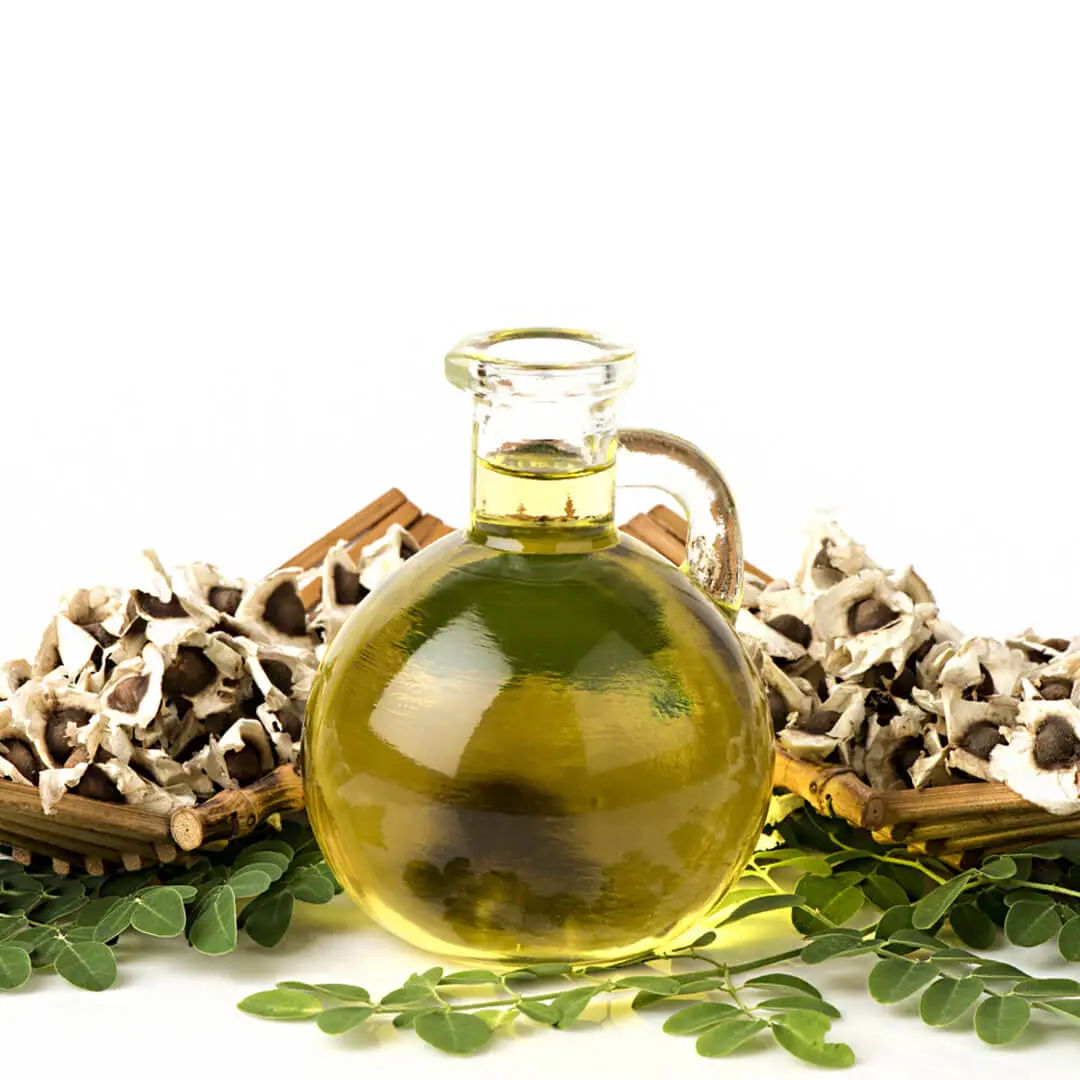
Walnut Oil: Natural Composition and Cosmetic Applications
Walnut Oil is valued for its smooth texture and naturally rich fatty acid profile. Its main components include linoleic acid, oleic acid and alpha-linolenic acid, along with smaller amounts of saturated fatty acids and naturally occurring tocopherols and phytosterols. These components make Walnut Oil useful in many personal care and cosmetic formulations. It can be used as a carrier oil in face oils, body oils, creams, lotions, hair oils and massage blends. Its mild nutty aroma can also add a natural character to certain botanical products. Some common applications include:
- Skin-care oils: Used as a plant-based oil in facial and body oil blends.
- Creams and lotions: Can be included in the oil phase of cosmetic formulations.
- Hair-care products: Used in hair oils, masks and conditioning products.
- Body-care products: Suitable for body oils, creams and lotions.
- Massage blends: Can be combined with other vegetable and botanical oils.
- Natural cosmetics: Useful for brands developing plant-based beauty products.
- Food applications: Food-grade Walnut Oil may be used in suitable food products where permitted.
The oil’s fatty acid profile can change with the walnut variety, growing conditions and processing method. Therefore, manufacturers should check the specification of each batch rather than relying only on general information about walnuts. Companies searching for a Walnut Oil bulk exporter can request a COA, MSDS, fatty acid profile and other relevant technical documents before placing an order. Walnut Oil is different from walnut extract and walnut essential oil, as each product has a different composition and production method.